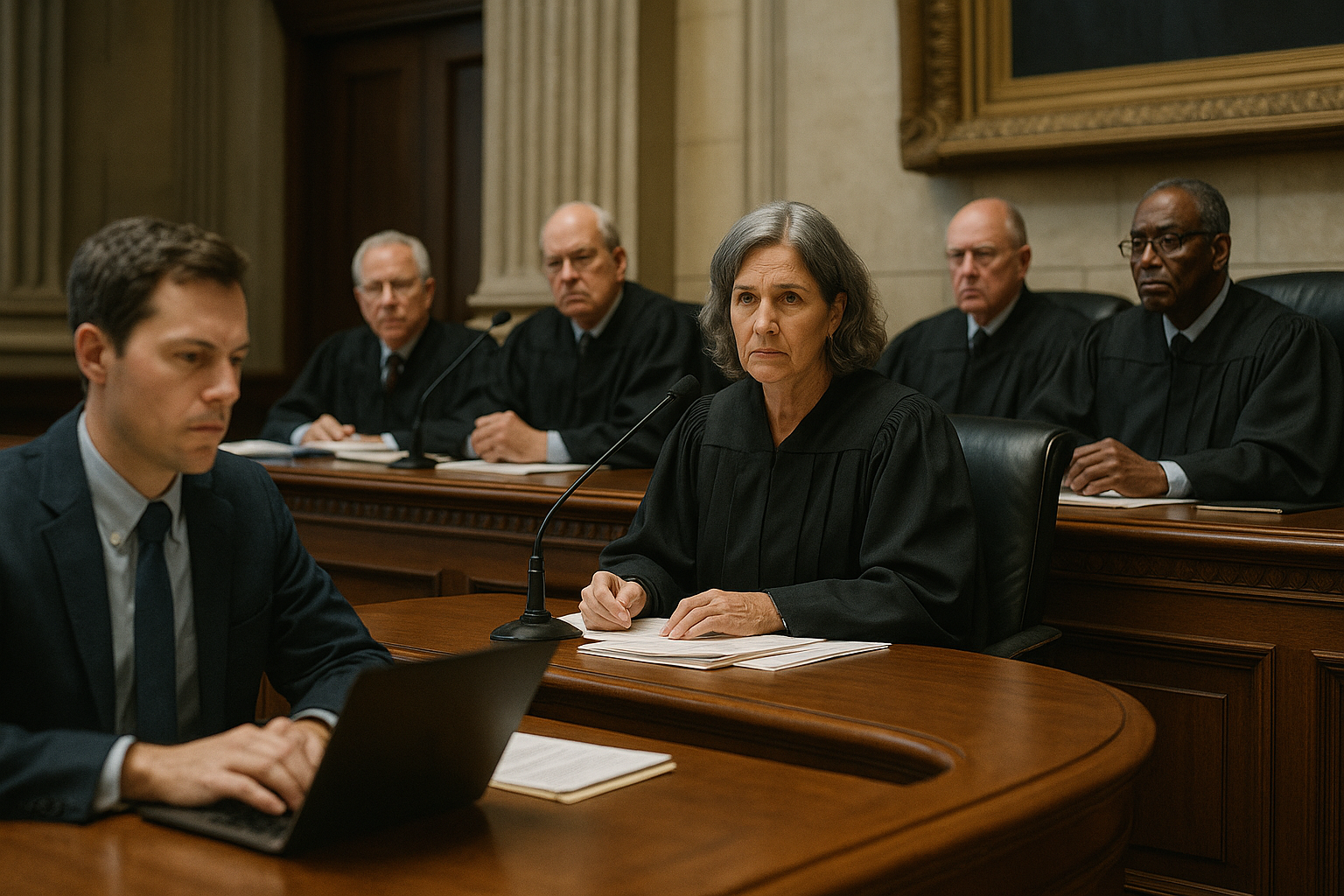
Federal magistrate judges across the United States are confronting an unprecedented crisis: a deluge of AI-generated lawsuits that are clogging dockets and undermining the judicial system. Judge Maritza Braswell, a federal magistrate judge in Colorado, finds herself spending considerable time each day sifting through stacks of documents filed by self-represented litigants—many of whom cannot afford attorneys—only to discover that artificial intelligence tools have generated filings riddled with fabricated case names, nonexistent legal precedents, and fundamental procedural errors. The problem has become so acute that courts are struggling to develop screening mechanisms to identify and reject defective AI-drafted filings before they waste judicial resources. This crisis reflects a broader tension: as AI legal tools become cheaper and more accessible to low-income litigants who lack legal representation, the technology is simultaneously making it easier for unqualified individuals to flood courts with technically incompetent submissions that judges must still process under rules of civil procedure.
The scope of the problem remains difficult to quantify precisely, but anecdotal evidence from multiple federal courts suggests the volume of pro se filings containing obvious AI artifacts has grown substantially in recent months. Some filings contain hallucinated citations to cases that do not exist, while others reference procedural rules that contradict basic legal requirements. Bar associations and judicial conferences have begun issuing guidance, though responses remain fragmented. The American Bar Association has raised concerns about liability standards for legal AI vendors, questioning whether companies offering these tools bear responsibility for defective outputs. Some state courts have implemented requirements that pro se litigants certify they have reviewed AI-generated documents for accuracy before filing, but enforcement remains inconsistent. Judge Braswell and her colleagues emphasize that while they sympathize with unrepresented litigants seeking to access justice, courts cannot function effectively when processing documents that contain fabricated legal authority or fail to meet basic pleading standards.
This crisis illuminates a critical policy gap in AI regulation. Unlike traditional legal practice, where bar admission requirements enforce minimum competency standards, AI legal tools currently operate with minimal oversight or accountability mechanisms. Courts are now forced to act as quality gatekeepers, a role that fundamentally distorts judicial function and diverts resources from substantive case adjudication. Federal judges and legal professionals are calling for clearer regulatory frameworks governing legal AI tools, including requirements that vendors implement accuracy safeguards and disclose known limitations to users. The situation underscores broader challenges in AI governance: technologies that promise to democratize access to professional services can simultaneously degrade service quality and create new bottlenecks. Without coordinated policy response—whether through judicial rule amendments, bar association standards, or legislative action—courts warn that the current trajectory may ultimately harm the very populations these tools intended to serve.