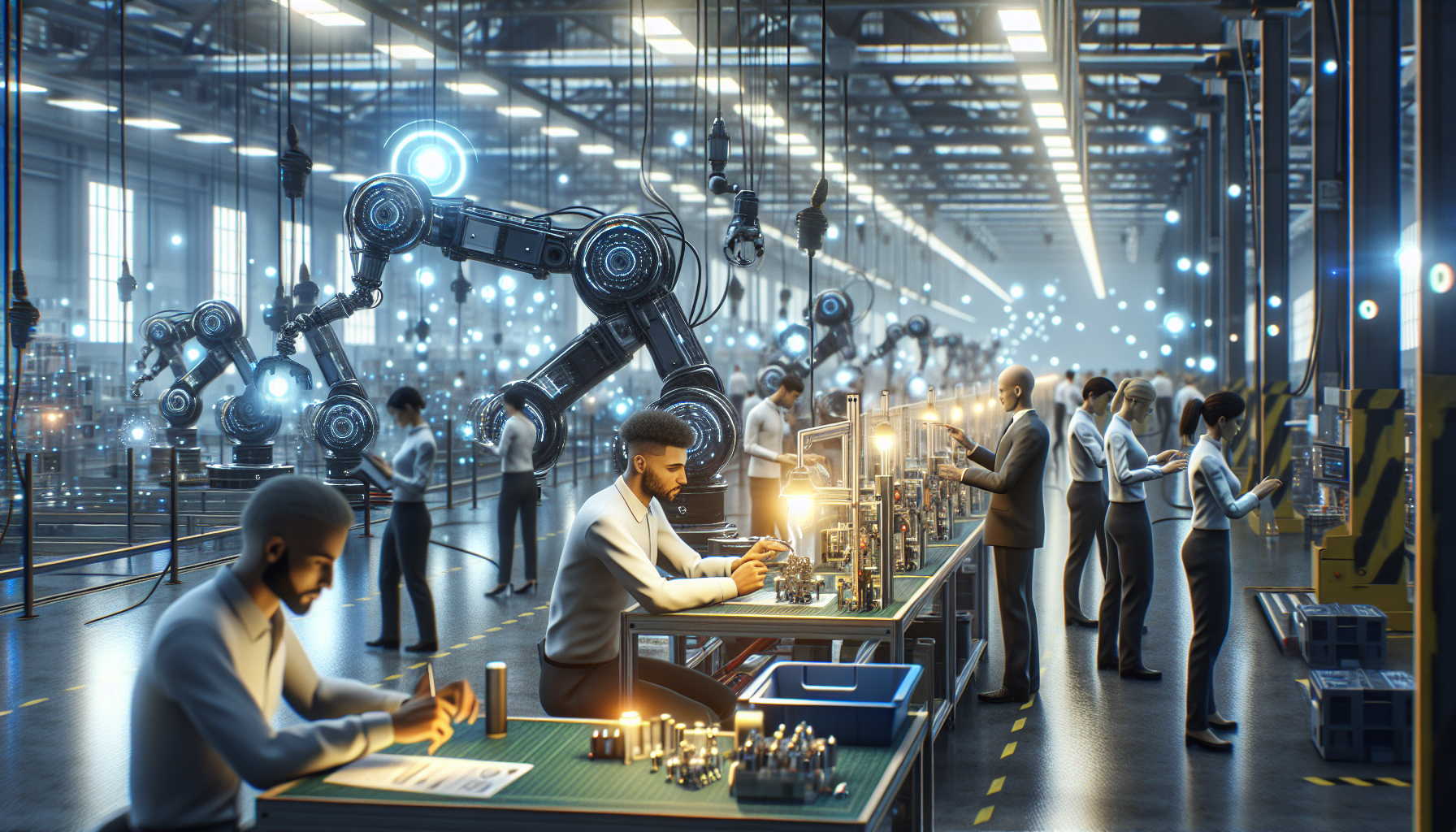
The robotics industry is experiencing a fundamental shift in priorities. While hardware advances have captured headlines—from Boston Dynamics' dancing humanoid to specialized systems for nuclear decommissioning—industry leaders and researchers are increasingly recognizing that deploying robots at scale requires solving problems beyond engineering. GoZTASP, a zero-trust governance platform for autonomous systems, exemplifies this shift by integrating drones, robots, sensors, and human operators into unified, secure architectures designed for mission-critical environments. This represents a maturation of the field: the recognition that autonomous systems operating in real-world contexts need robust assurance frameworks comparable to enterprise software.
Parallel to infrastructure concerns, researchers are systematically studying how humans perceive and interact with robots. Understanding human attitudes toward robotic systems in homes, offices, and factories is no longer a peripheral concern—it's foundational to successful deployment. This research addresses a genuine market friction point: even technically superior robots may fail in practice if they don't align with user expectations and comfort levels. Simultaneously, breakthroughs like hardened Wi-Fi systems capable of functioning in nuclear reactors demonstrate that specialized robotics applications are solving previously intractable environmental challenges, expanding deployment possibilities.
Industry veterans like Gill Pratt have declared that humanoid robots' moment has arrived, pointing to the maturity achieved since competitions like DARPA's Robotics Challenge. This optimism is now balanced by the pragmatic recognition that successful integration requires governance, human-centered design, and specialized infrastructure. As robots move from laboratories into asset management, disaster response, and hazardous environments, the sector's focus has rightfully expanded beyond capability to encompass reliability, trust, and acceptance—fundamentally reshaping how the industry measures progress.